The Q1 is engineered as five replaceable modules. Anything that wears out
or evolves is on rails. Anything that must not drift is sealed.
Sealed die+Five replaceable modules+128 coax channels+Two optical QNICs+Calibrated at the factory+
Sealed die+Five replaceable modules+128 coax channels+Two optical QNICs+Calibrated at the factory+
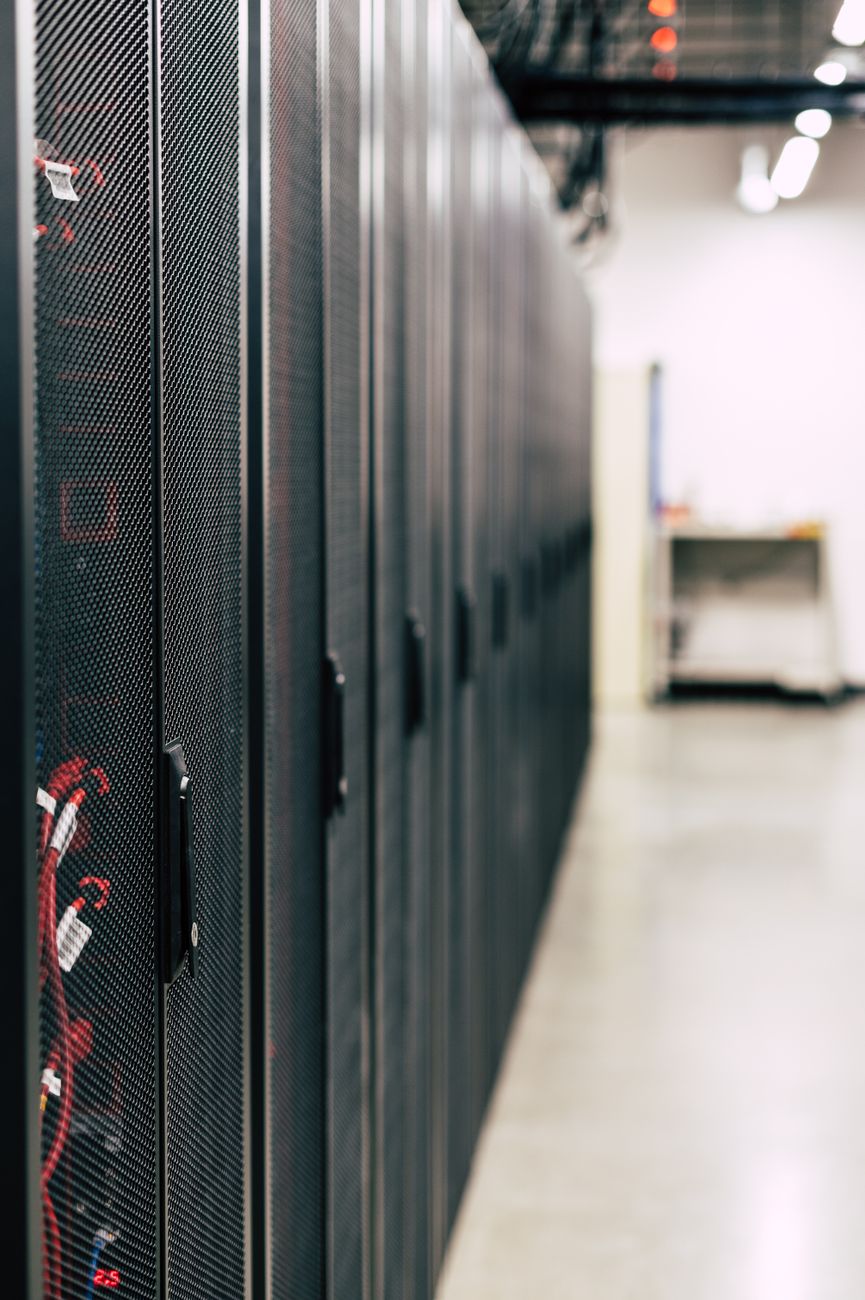
Fig. 11. Engineering build, rack wiring, final dress before ship.
01
QPU
The processor is a sealed die. No user serviceable parts, no
alignment knobs, no prayers. It is calibrated at the factory and
recalibrated over the wire when the control shelf asks for it.
Processor, sealed die
Parameter
Value
Note
Qubits
64
Transmon, tunable coupler
T1 coherence
412 microseconds
Median across the array
T2 echo
680 microseconds
Hahn echo, per device report
Two qubit gate fidelity
99.4 percent
Randomized benchmarking
Gate cycle
68 nanoseconds
Single qubit, 190 ns two qubit
Form factor
46 x 38 x 27 cm
Sealed desktop die, 21 kg
Printout 04.2. Values from the Q1 pilot device, batch P-02.
02
1nfy power
Twelve 1nfy cells feed the whole stack. The wall plug only runs the
fridge compressor during recondense, and even that is optional for
three weeks at a time.
1nfy battery system
Parameter
Value
Note
Cells
12 x 1nfy AA
User replaceable, tool free
Runtime
21 days
Full stack, idle network port
Output
1.5 V regulated
Rail stable under burst load
Swap time
90 seconds
Cold, no discharge wait
End of life
Not in your ownership window
Cells outlast the chassis
Printout 04.2. Values from the Q1 pilot device, batch P-02.
04
Control
The control shelf decodes the surface code in real time, on the same
board that drives the gates. Round latency is six microseconds,
faster than the qubits can forget.
Control shelf
Parameter
Value
Note
Channels
128 coax
64 drive, 64 readout
Decoder
Real time surface code
Round latency 6 microseconds
Clock
2.4 GHz locked
GPS disciplined option
API latency
9 ms to first gate
From HTTPS submit to pulse
Printout 04.2. Values from the Q1 pilot device, batch P-02.
05
Network
Two optical QNIC cassettes peer into the QuNet backbone. The machine
hands Bell pairs to the metro loop and treats them exactly like the
rest of the internet treats packets: best effort, logged, billed.
Entanglement port
Parameter
Value
Note
Entanglement rate
1.2 kpair per second
Sustained, backbone peered
Fidelity across metro
97.8 percent
Palo Alto to San Jose loop
Protocol
QNTP v3
Quantum network transport protocol
Ports
2 x optical QNIC
Hot swappable transceiver cassettes
Printout 04.2. Values from the Q1 pilot device, batch P-02.