QPU
A 64 qubit superconducting processor in a sealed desktop die. Coherence long enough to matter, gate fidelity high enough to trust.
QuNetLabs is building a consumer desktop quantum computer and the backbone that connects it. 64 qubits, powered by 1nfy batteries, cooled by a tank you replace like a water filter.
[ Scroll ]
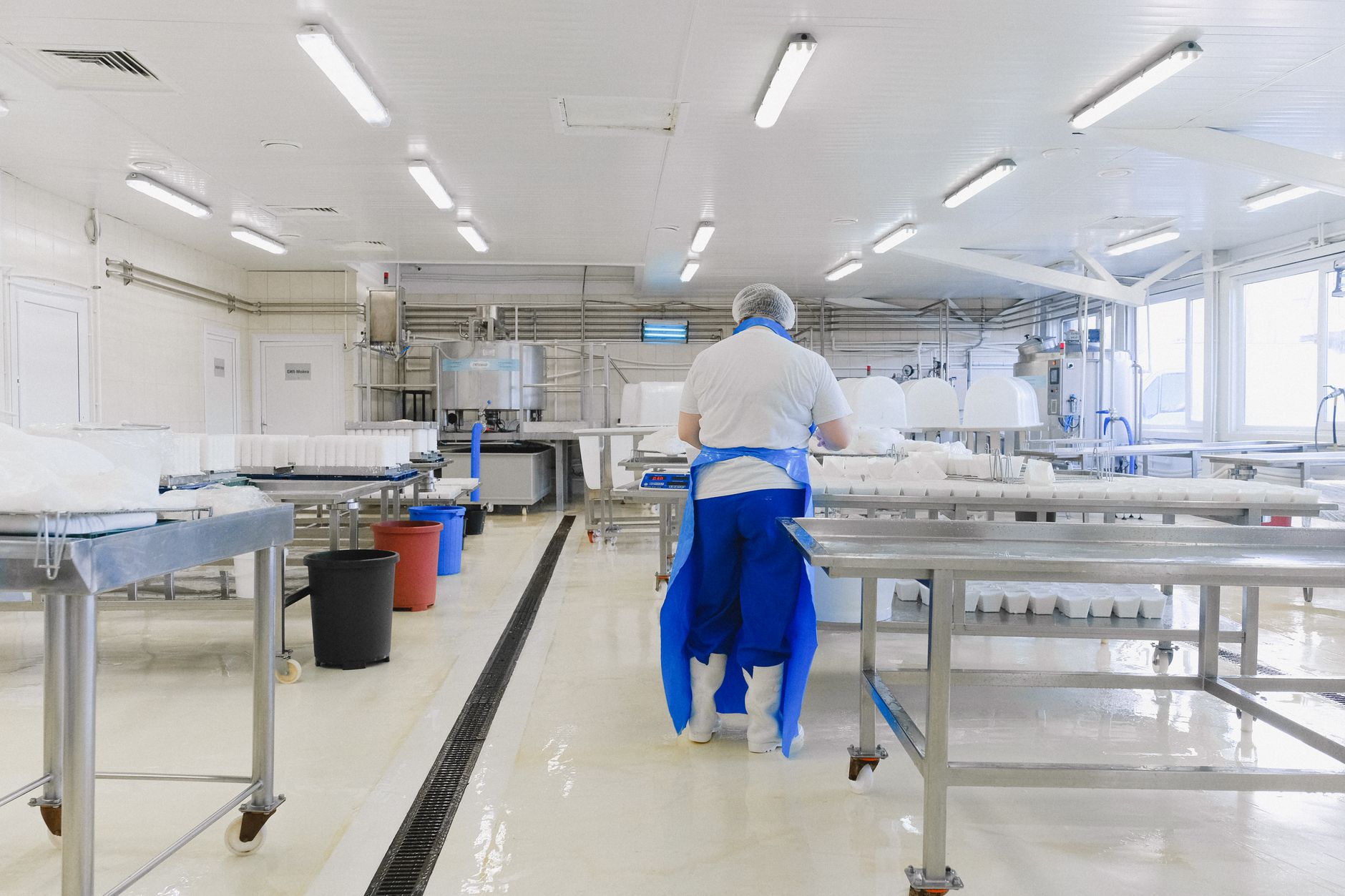
Fig. 01. Calibration bay 12. Dilution stage on the bench, 11 millikelvin.
A 64 qubit superconducting processor in a sealed desktop die. Coherence long enough to matter, gate fidelity high enough to trust.
Twelve 1nfy cells run the full stack for three weeks. No wall socket in the loop, no cable audit, no brownout drama.
One consumable cooling tank holds the dilution stage at operating temperature. You swap it yourself in under two minutes.
A room temperature control shelf with 128 coaxial channels and real time error decoding on the same board.
An optical port that ships Bell pairs to the QuNet backbone. Your desktop is a node, not an island.
| Parameter | Value | Note |
|---|---|---|
| Qubits | 64 | Transmon, tunable coupler |
| T1 coherence | 412 microseconds | Median across the array |
| T2 echo | 680 microseconds | Hahn echo, per device report |
| Two qubit gate fidelity | 99.4 percent | Randomized benchmarking |
| Gate cycle | 68 nanoseconds | Single qubit, 190 ns two qubit |
| Form factor | 46 x 38 x 27 cm | Sealed desktop die, 21 kg |
| Parameter | Value | Note |
|---|---|---|
| Cells | 12 x 1nfy AA | User replaceable, tool free |
| Runtime | 21 days | Full stack, idle network port |
| Output | 1.5 V regulated | Rail stable under burst load |
| Swap time | 90 seconds | Cold, no discharge wait |
| End of life | Not in your ownership window | Cells outlast the chassis |
| Parameter | Value | Note |
|---|---|---|
| Stage temperature | 11 millikelvin | Mixing chamber, steady state |
| Tank volume | 9 liters | Consumable helium isotope mix |
| Hold time | 26 days | Continuous operation per tank |
| Swap window | 112 seconds | Warm pull, seat, recondense |
| Cost per tank | 240 USD | Subscription covers 2 per month |
| Parameter | Value | Note |
|---|---|---|
| Channels | 128 coax | 64 drive, 64 readout |
| Decoder | Real time surface code | Round latency 6 microseconds |
| Clock | 2.4 GHz locked | GPS disciplined option |
| API latency | 9 ms to first gate | From HTTPS submit to pulse |
| Parameter | Value | Note |
|---|---|---|
| Entanglement rate | 1.2 kpair per second | Sustained, backbone peered |
| Fidelity across metro | 97.8 percent | Palo Alto to San Jose loop |
| Protocol | QNTP v3 | Quantum network transport protocol |
| Ports | 2 x optical QNIC | Hot swappable transceiver cassettes |
First 50 Q1 desktops leave the Pasadena bay. Dev program members receive units first, in queue order.
Open reservation queue. Two tanks and an 8 cell 1nfy pack ship in every crate.
Public Bell pair endpoints, metro peering in 12 cities, usage billed per kpair.
256 qubit second generation die, drop compatible chassis, same tank format.
Continuous entanglement across 40 metros. Your desktop peers into the loop at line rate.
Reservations
One hundred dollars holds your place in the pilot queue. Fully refundable until your crate is packed. Queue position is queue position: no celebrity cuts, no enterprise skips.